By Caninie
Why We Built a Slow Feeder
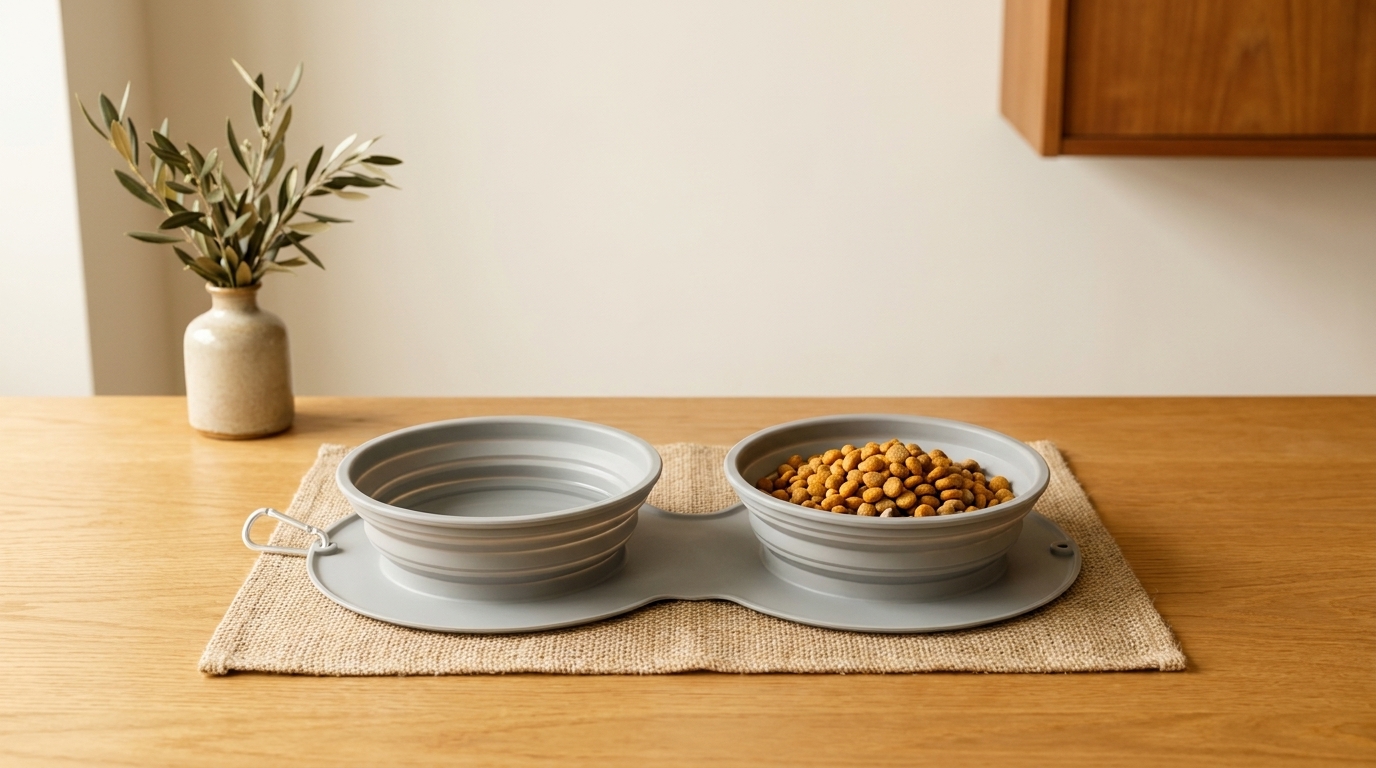
The Monchéri Silicon Double Bowl started with a problem most pet owners learn too late. Eating too fast — bolting food in under thirty seconds — is quietly damaging your dog's digestive system. Bloat, regurgitation, and the slower injury of chronic gastric stress all trace back to pace. The solution isn't a training program. It's the bowl.
Slow feeders have existed for a decade. Most of them are designed like puzzles: bright plastic mazes in lime green and electric orange, optimised for the Amazon listing photo rather than your kitchen counter. We owned three of them. They worked, technically. But they looked wrong. They felt wrong. And when we set them on a linen placemat in a cream interior, they killed the room.
Good design solves the problem without announcing itself.
That's the premise behind Monchéri. The slow-feeder bumps are moulded into food-grade silicon — the same silicon used in medical device manufacture — at a density calibrated to extend feeding time by 4 to 7 minutes without frustrating the dog into giving up. The silver carabiner isn't decorative: it locks the bowl to a weighted stainless base, which prevents the sliding that turns most slow feeders into floor toys by minute three.

The material decision
Silicon was not the first choice. Early prototypes used melamine — inexpensive, rigid, colour-stable. Melamine also contains formaldehyde binders that leach under acidic conditions. Most wet dog food is mildly acidic. We moved to silicon at the second prototype and did not look back.
The material is non-porous, which matters more than most owners realise. Plastic and melamine develop microscopic scratches over dishwasher cycles. Bacteria colonise those scratches. By month three, your pet is eating from a biofilm. Silicon doesn't scratch at dishwasher temperatures, and it doesn't absorb odour. Monchéri bowls are rated for 10,000 dishwasher cycles. The bowls outlast the silicon itself degrading — we expect functional life of eight to twelve years under normal household use.
The base weight — 340 grams of polished stainless — is calculated against the median breed weight of dogs in Thai urban households. Shiba Inus, pugs, French bulldogs, Corgis. Dogs under 12 kilograms. Heavier breeds can move the bowl. We'll build a larger base. This first version is sized for the dogs we see most in Bangkok condominiums.
The bowl outlasts the silicon degrading — functional life of eight to twelve years under normal use.
Why the carabiner
The carabiner is the most-asked-about detail at every pop-up we run. People pick up the bowl, clip and unclip it three or four times, and then buy it. Not because it's clever — because it is satisfying. There is something about a mechanism that works exactly as it should, with exactly the right resistance, that communicates quality more directly than any packaging copy can.
Functionally: the carabiner allows the silicon bowl to be removed for washing while the weighted base stays on the mat. You don't lift the whole assembly to the sink. You unclip, wash the silicon, clip back. It takes four seconds. Anyone who has wrestled a suction-cup slow feeder off a tile floor while the dog watches will understand why this matters.
Living with it
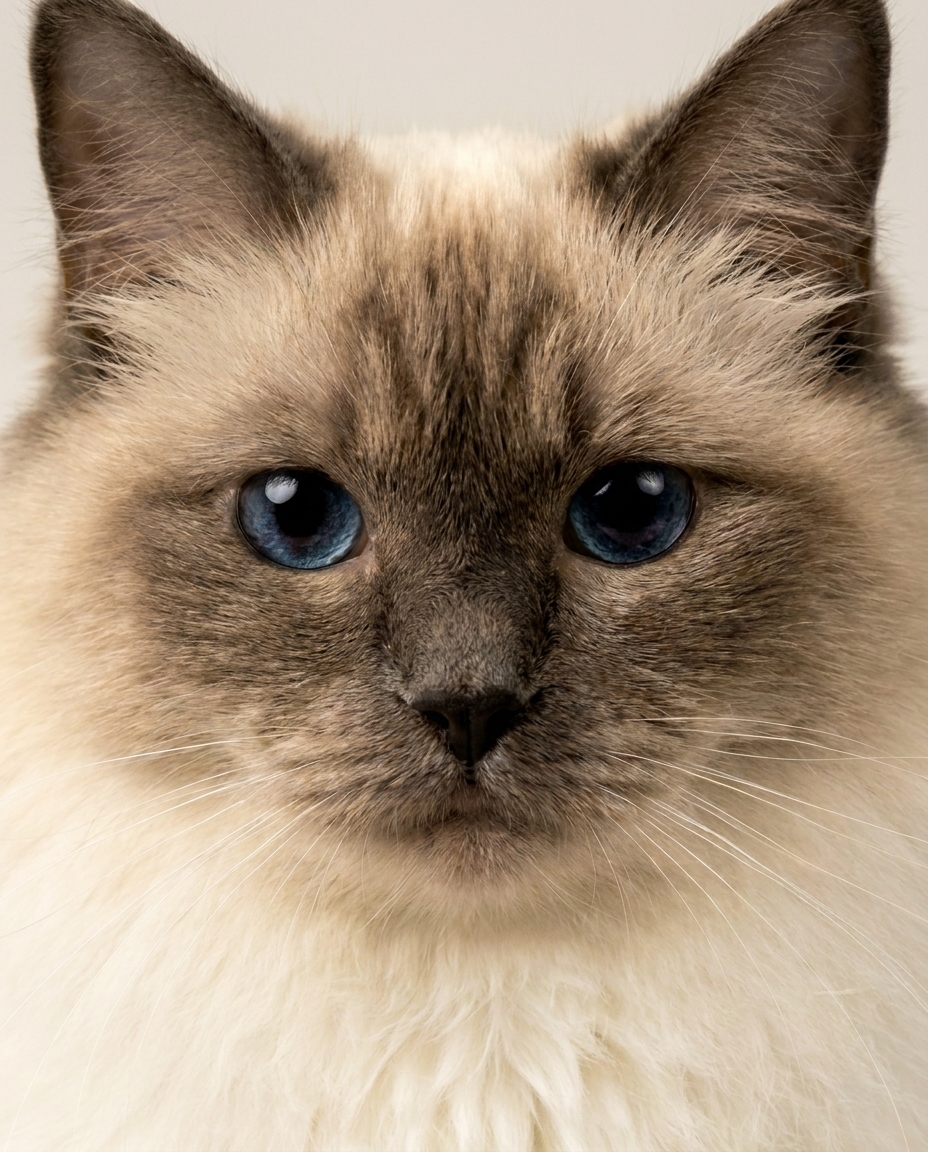
The bowl has been in daily use in four households for seven months before we opened the first batch. Two dogs with documented bloat history. One cat who had been regurgitating after every meal. One senior Corgi on a prescription diet.
The bloat dogs have not had an incident. The cat no longer vomits post-meal. The Corgi's vet noted improved digestion at the six-month check. We don't make medical claims from four households. But we trust the mechanism — slower feeding equals less air ingestion equals less gastric pressure — and the data from a decade of veterinary slow-feeder research backs the mechanism, if not this specific bowl.
What we didn't expect: the bowls became objects people left on the counter on purpose. Not stored. Not hidden. Left out. That is the only design review that matters to us.
The Monchéri Silicon Double Bowl ships in one size, one colour — silver hardware, cream silicon, 340g base. You can find it in the shop. If your dog bolts food, it will slow them down. If you care what your kitchen looks like, it will not embarrass you.